Pain that worsens, spreads, affects sleep, or limits daily function should be evaluated rather than ignored.
If you are unsure whether to wait or get help, call or text us at 813 978 0020 and talk it through.
Related keywords: persistent pain signs, when to see a chiropractor, worsening pain symptoms, injury red flags
Pain that worsens, spreads, affects sleep, or limits daily function should be evaluated rather than ignored.
If you are unsure whether to wait or get help, call or text us at 813 978 0020 and talk it through.
Related keywords: injury prevention chiropractic, sports injury prevention, movement screening, mobility assessment
Identifying movement imbalances and mobility limits early can reduce the risk of future injuries.
Movement screening can help prevent problems before they start.
Related keywords: cracking neck safe, self cracking neck, neck popping risks, neck manipulation safety
Self cracking may offer temporary relief but does not address restricted joints or underlying causes.
A professional assessment provides safer, longer lasting relief.
Related keywords: sprain vs strain, ligament vs muscle injury, injury differences, strain recovery, sprain healing
Sprains involve ligaments, while strains affect muscles or tendons.
Severity and recovery time vary for each.
Related keywords: neck pain exercises, posture exercises, chin tucks, neck strengthening, corrective exercise
Exercises work best when tailored to your posture, mobility, and activity level.
Personalized guidance helps recovery more than generic routines.
Related keywords: waking up with neck pain, neck pain pillow, sleeping position neck pain, morning neck stiffness
Pillow height, sleep position, and overnight stiffness are common contributors.
Proper alignment often improves morning neck pain.
Related keywords: sports injury recovery, rotator cuff recovery time, ankle sprain healing, sports rehab timeline
Recovery ranges from weeks to months depending on severity and care consistency.
Early guidance improves outcomes.
Related keywords: headache from neck pain, cervicogenic headache symptoms, neck headache signs, upper cervical headache
Neck related headaches often start at the base of the skull and worsen with movement.
An evaluation can confirm the source.
Related keywords: sitting too much back pain, poor posture pain, desk job back pain, posture related pain, ergonomic posture
Prolonged sitting increases disc pressure and joint strain, especially without movement breaks.
Posture and daily habits play a major role.
Related keywords: red light therapy for pain, photobiomodulation, chronic pain treatment, neuropathy light therapy, fibromyalgia pain relief
Many patients dealing with chronic pain ask whether red light therapy is supported by real research or if it is simply a wellness trend. Recent clinical research has helped clarify where photobiomodulation may fit in chronic pain care.
Red light therapy, also known as photobiomodulation, uses red and near infrared light to trigger natural healing responses inside the body. It is non invasive, drug free, and has been studied across multiple chronic pain conditions.
A 2026 peer reviewed systematic review examined 14 randomized controlled trials on photobiomodulation for chronic pain. Across these trials, patients experienced meaningful pain reduction compared with placebo treatments.
The strongest evidence was found in fibromyalgia and peripheral neuropathy. Multiple trials reported pain reductions that exceeded the threshold considered clinically meaningful, along with improvements in quality of life.
In neuropathy studies, symptom reduction ranged from about 32 percent to more than 50 percent in some cases, including diabetic and chemotherapy induced neuropathy. Some trials showed benefits lasting up to 12 weeks after treatment ended.
Photobiomodulation supports cellular activity by stimulating mitochondrial function, reducing inflammation, and improving circulation at the tissue level. At the nerve level, it may reduce pain signal excitability and support natural pain inhibiting compounds such as serotonin.
Red light therapy is non invasive and does not involve medications, injections, surgery, or recovery time.
Research suggests red light therapy may be helpful for certain chronic pain conditions, particularly when patients have not responded to conventional treatments. Individual results vary, and care decisions should be made with a qualified healthcare provider.
Source: Ferreira et al. Photobiomodulation in chronic pain: a systematic review of randomized clinical trials. Frontiers in Integrative Neuroscience, 2026.
Related keywords: tech neck pain, forward head posture, posture correction, desk job neck pain, posture chiropractor
If you spend hours each day on a phone, tablet, or computer and notice neck stiffness, soreness, or headaches that seem to build as the day goes on, you may be dealing with tech neck. This is a common complaint among people with desk jobs and heavy screen use.
Short answer: tech neck comes from prolonged forward head posture during screen use. Fixing it usually involves improving posture habits and strengthening the muscles that support your neck and upper back.
Tech neck is not a formal medical diagnosis. It is a term used to describe neck pain and stiffness associated with holding the head forward for long periods of time, especially while looking down at screens.
Forward head posture places the neck in a position it was not designed to hold all day. Muscles in the back of the neck and shoulders have to work harder to support the head, while deep stabilizing muscles in the front of the neck become weaker.
People with tech neck often report:
If your neck pain or discomfort keeps returning despite self care, a posture assessment may help uncover the root cause. This type of evaluation looks at head position, spinal alignment, muscle balance, and how your body handles daily work demands.
While tech neck is common, persistent or worsening symptoms should always be evaluated by a qualified healthcare provider to rule out other conditions.
Tech neck is commonly linked to prolonged forward head posture during screen use. Improving posture habits and strengthening supportive muscles often plays a central role in reducing symptoms. Addressing the underlying posture issues, rather than just chasing pain, gives many people better long term results.
If you are unsure where to start, booking a posture assessment can help you understand what is driving your neck pain and what steps may be appropriate for your situation.
Related keywords: return to sport after injury, sports rehab near me, return‑to‑play guidelines, athletic chiropractor, injury recovery plan
A safe return to sport after injury depends less on the calendar and more on whether your body has truly recovered. Most return‑to‑play guidelines focus on restoring strength, mobility, and movement control before resuming full workouts or competition, since returning too soon may increase the risk of re‑injury. A sports injury evaluation can help create a clear, individualized return‑to‑activity plan based on how your body is actually performing.
Related keywords: chiropractor near me, back pain chiropractor, sciatica chiropractor, sports chiropractor, headache treatment
People often search for a chiropractor near me when dealing with back pain, sciatica, headaches, or an injury that does not seem to improve on its own. A common question follows quickly: can chiropractic care actually help with these problems, or is it only for the spine?
Chiropractic care is commonly used for spine and movement related conditions. It may help some people, especially when it is combined with rehabilitation exercises and movement retraining. The best way to know whether chiropractic care is appropriate is through a proper evaluation.
Chiropractic care looks at how the joints, muscles, and nervous system work together during movement. Rather than focusing only on where pain is felt, many chiropractors assess posture, joint motion, muscle balance, and everyday movement patterns.
Treatment plans often include spinal or joint manipulation, manual therapy, and exercise guidance. According to the American Chiropractic Association, chiropractic care is commonly used as part of conservative care for musculoskeletal conditions, especially those involving the spine and extremities.
Low back pain is one of the most common reasons people seek chiropractic care. Clinical guidelines from the American College of Physicians list spinal manipulation as one option for certain types of acute and chronic low back pain when serious conditions are not present.
Chiropractic care is not appropriate for every cause of back pain. Symptoms such as significant weakness, numbness, or loss of bladder or bowel control require medical evaluation. For mechanical back pain related to stiffness, movement, or muscle strain, chiropractic care may be part of a broader conservative plan.
Sciatica refers to pain that travels along the sciatic nerve, often from the low back into the leg. It is usually related to nerve irritation from disc changes, joint mechanics, or surrounding soft tissues.
A sciatica chiropractor may focus on improving spinal motion, reducing mechanical stress, and restoring tolerance to movement. Research suggests spinal manipulation may provide symptom relief for some people with lumbar nerve related pain, especially when paired with exercise and activity guidance.
Some headaches are related to neck stiffness, muscle tension, or posture. These are often described as cervicogenic or tension type headaches. In these cases, chiropractic care may focus on improving neck mobility and muscle function.
Spinal manipulation may help certain headache types, but it is not appropriate for all headaches. Sudden severe headaches, migraines with unusual symptoms, or headaches accompanied by neurological changes should be evaluated by a medical provider.
Active individuals and athletes often see a sports chiropractor for joint sprains, muscle strains, and overuse injuries. Care typically focuses on restoring normal movement, improving strength and control, and helping patients return to activity safely.
Sports chiropractic care often overlaps with physical therapy and sports medicine. The goal is not just pain relief, but better movement and reduced risk of reinjury.
Chiropractic care is not a one size fits all solution. It may help with some cases of back pain, sciatica, headaches, and sports injuries, especially when combined with exercise based rehabilitation and patient education.
Booking an evaluation by calling or texting us at 813‑978‑0020 to determine whether chiropractic care, or non-invasive pain management treatments, makes sense for your condition or whether imaging, referral, or another type of care is more appropriate.
When looking for a chiropractor, choose Physical Medicine Health Center because our processes emphasizes individualized assessment, clear explanations, and evidence informed care rather than quick fixes or guarantees. Our goal is to help you achieve long-term pain relief and improved mobility.
Sources
American Chiropractic Association
American College of Physicians Clinical Practice Guidelines
National Institutes of Health, Low Back Pain Overview

Related keywords: back pain vs sciatica, sciatica symptoms, nerve pain leg, sciatic nerve pain, lumbar nerve pain
Back pain usually stays in the lower back, while sciatica radiates into the buttocks or back of the leg due to nerve irritation and often feels sharp, burning, or electric. Speak with our team to determine which type of pain you have and what treatment fits best.

Related keywords: neck pain headaches, cervicogenic headache, headaches from posture, neck tension headache, headache chiropractor
Yes. Many headaches start in the neck due to joint or muscle irritation and often worsen with posture or neck movement rather than light or sound. Call/Text us at 813‑978‑0020 to talk through your headache symptoms and see if your neck may be the real cause.

Related keywords: MRI for back pain, do I need imaging, X‑ray vs MRI, injury diagnosis, back pain evaluation
If you’re dealing with back pain, neck pain, or a recent injury, it’s normal to wonder whether you need an MRI or X‑ray to find the cause. Many people assume imaging should happen right away, but that’s not always how care is guided.
Short answer: Imaging is helpful but not always
needed right
away. It’s usually recommended only when red flags are present
or when symptoms
don’t improve with initial care.
Before scheduling imaging, you’re welcome to call or text us at
813‑978‑0020 to see if an exam may help guide
the next step in
your care.

Related keywords: herniated disc recovery, sciatica recovery time, sciatica treatment near me, disc herniation healing, nerve pain relief
A common question people ask after being diagnosed with a herniated disc or sciatica is how long recovery will take. While each situation is different, many people improve without the need for surgery.
In most cases, symptoms begin to improve within 6 to 12 weeks with conservative care. Disc material can shrink over time, which may reduce pressure on nearby nerves. Staying active with guided treatment is often associated with better recovery than prolonged rest.
If you are experiencing back pain, leg pain, or nerve-related symptoms, call our office today to discuss your concerns and learn what recovery could realistically look like for you.
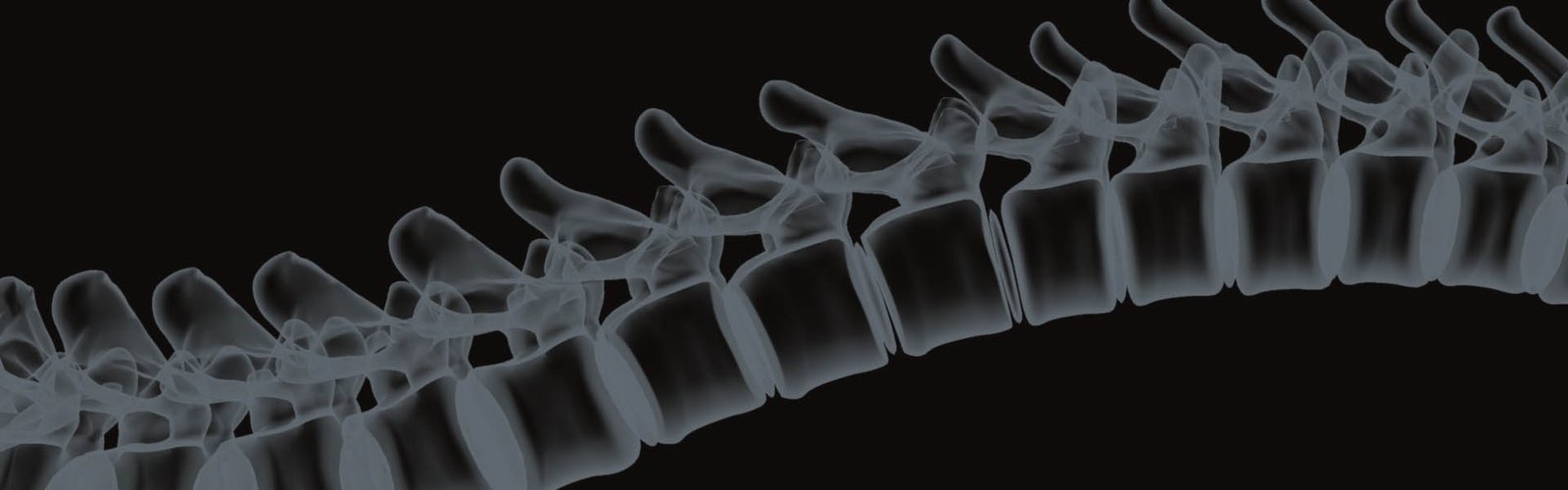
Related keywords: spinal decompression Tampa, non-surgical back pain, disc bulge treatment, chronic low back pain
Spinal decompression therapy is designed to gently stretch the spine. Many patients use it as part of a broader plan that may include chiropractic adjustments, exercise, and lifestyle guidance.
Your provider will explain how many sessions may be appropriate for your condition and what you should feel during and after treatment. If you have questions about whether you are a candidate, we are happy to review your history and goals at our Tampa office.
Related keywords: Tampa wellness, chiropractic lifestyle, hydration, stretching, immune support
Even in a mild climate, shorter days and holiday schedules can disrupt sleep, activity, and nutrition. Small habits—consistent movement, adequate water, and scheduled recovery—often make the biggest difference in how you feel day to day.
If pain or stiffness is limiting your routine, addressing it early can help you stay consistent with exercise and work demands. Contact our team to discuss options that fit your schedule.
Related keywords: IV therapy Tampa, intravenous vitamins, hydration clinic, nutrient absorption, wellness infusion
IV nutritional therapy delivers fluids and nutrients directly into the bloodstream. It is used in various wellness and recovery contexts; suitability depends on your health history and goals.
We recommend a conversation with our clinical team before starting any new therapy. We will review safety considerations and how IV services may complement your existing care plan.